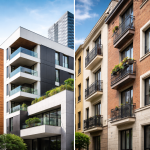


Exterior wall cladding acts as the protective layer on a building, enhancing not only its aesthetics but also durability, safety, and thermal performance. That said, with so many types of cladding available, homeowners, architects, and builders often find themselves confused about which cladding material offers the maximum long-term value. This article highlights the pros and cons of different types of cladding materials and explores why HPL has become a leading choice in contemporary architecture. Whether you’re looking to buy exterior cladding panels, understand the best types of wall cladding for exteriors, or want to compare HPL with brick and wood cladding, this comprehensive article will help you make an informed and practical decision.
What is Cladding & Why Does it Matter
Cladding refers to the layer that covers the external or internal surface of a building. Think of it as a building’s outer shield that protects the structure against weather, improves insulation, enhances aesthetics, and can even increase property value.
Why Cladding Matters
- Weather Protection: Shields against moisture, UV rays, wind, heat, and extreme temperatures.
- Aesthetic Appeal: Defines the architectural style: modern, rustic, industrial, or traditional.
- Thermal and Sound Insulation: Helps regulate indoor temperature and reduce noise.
- Durability: Enhances the building’s lifespan by reducing exposure-related damage.
- Fire and Safety Performance: Advanced cladding materials (like HPL) come with fire safety ratings.
Where Cladding Is Commonly Used
- Building facades and elevations
- Balconies, soffits, and outdoor ceilings
- Gates, entrance features, and boundary walls
- Institutional buildings such as schools and hospitals
- Commercial complexes and high-traffic public spaces
Interior vs Exterior Wall Cladding
Interior and exterior cladding serve different purposes in a building. Interior cladding focuses on aesthetics and comfort, enhancing ambience and acoustics for spaces like feature walls, wardrobes, ceilings, and partitions. These materials: laminates, veneers, MDF, PVC, gypsum, or brick tiles, prioritise:
- Decorative appeal
- Texture and colour options
- Light maintenance
- No need for weather resistance
Exterior cladding, on the other hand, protects the building from harsh environmental exposure. It must withstand:
- Rain, heat, UV rays, and humidity
- Dust, pollution, and microbial growth
- Structural and fire-safety requirements
- Long-term insulation and energy performance
Because exterior surfaces endure the toughest conditions, durable materials such as HPL, fibre cement, stone, metal, or composite panels are essential. Exterior-grade compact laminate stands out for its weatherproofing, impact resistance, low maintenance, and long-term value, making it a preferred choice for building façades. Knowing whether the application is interior or exterior helps narrow down the right cladding material quickly and effectively.
Read Also: A Simple Guide to Understanding Exterior and Interior Cladding
Types of Cladding Materials for Exterior Walls
Below is an expert breakdown of the most widely used exterior wall cladding material types, including traditional, modern, and innovative options.
1. High-Pressure Compact Laminate (HPL) Cladding
High-pressure compact laminate is rapidly emerging as a preferred material in contemporary architecture. For those wondering what HPL cladding is, it is simply a self-supporting board made of multiple layers of kraft paper impregnated with thermosetting resins and bonded under high heat and pressure.
Advantages of HPL Cladding
- Excellent weather and UV resistance
- High impact and abrasion strength
- Moisture- and humidity-resistant
- Low maintenance and easy to clean
- Wide design and texture options
- Long-lasting colour stability
- Suitable for high-traffic and high-rise applications
Disadvantages of HPL Cladding
- Higher upfront cost than basic materials like PVC or paint
- Requires proper installation systems and trained installers
- Not ideal for projects requiring heavy stone-like mass or structural load
- Limited recyclability compared to natural materials
When comparing different types of cladding materials, exterior-grade compact laminate often offers the best balance of performance, longevity, and design flexibility, making it especially popular among architects.
2. Brick and Mortar Cladding
Brick is one of the oldest and most trusted cladding materials. But its performance must be weighed against cost, installation complexity, and design limitations.
Advantages
- Strong traditional appearance
- Good insulation properties
- Long lifespan
Drawbacks
- Heavy and requires structural support
- Labour-intensive installation
- Limited colour options
- Can absorb moisture
Many architects compare the pros and cons of brick vs wood cladding, but increasingly, they also consider modern materials such as HPL, which offer similar aesthetics without structural load or maintenance issues.
3. Wood Cladding / Wood Siding
Natural wood is valued for warmth and texture, but environmental conditions, especially heat and humidity, affect lifespan.
Challenges with Wood Cladding
- Highly susceptible to warping, cracking, and termite attack
- Requires frequent polishing or sealing
- Limited resistance to fire and moisture
- Can release VOCs depending on the type of wood and treatment
Composite and engineered wood reduce some maintenance demands but still fall short compared to high-pressure laminate panels in weather resistance.
4. Stone Cladding
Stone offers natural beauty and texture, but it is heavy and costly to install.
Advantages
- Strong and durable
- Provides excellent natural insulation
- Ideal for premium or rustic architecture
Limitations
- Expensive material and installation
- Heavy load on the building structure
- Limited design flexibility
- Requires regular maintenance depending on porosity
Stone-finish HPL cladding provides a significantly lighter, more economical alternative.
5. Metal Cladding (Steel, Aluminium & Composites)
Metal cladding is popular in modern, industrial-style architecture.
Pros
- Sleek aesthetic
- Recyclable
- Good fire resistance
Cons
- Prone to rust, dents, and scratches
- Expensive
- Conducts heat
- Noise amplification during rainfall or winds
Metallic-finish HPL sheets overcome these drawbacks while delivering the desired look.
6. Fibre Cement Boards
A long-time alternative to brick and wood.
Pros
- Affordable
- Moisture-resistant
- Decent durability
Cons
- Can crack over time
- Limited design variations
- Not as impact-resistant as HPL
7. Glass Cladding
Common in commercial buildings and modern architecture.
Strengths
- Elegant aesthetic
- Allows natural light
- Excellent finish
Weaknesses
- High cost
- Heat control challenges
- Safety considerations
Read Also: Top 4 Exterior Wall Cladding Ideas You Can Try
Trends & Innovations in Exterior Wall Cladding
Rise of Modern Materials Over Traditional Ones
Architects increasingly prefer HPL and engineered materials over wood, brick, or stone due to durability, cost, and sustainability.
Smart Cladding Features
- Anti-graffiti coatings
- Self-cleaning surfaces
- Antimicrobial properties
- UV-resistant decorative layers
Green Building Integration: Eco-friendly materials like Greenlam HPL support energy efficiency and sustainable construction.
How to Choose the Right Cladding Material
Selecting the right cladding material shapes not only the look of the building, but also its long-term performance, safety, and maintenance requirements. With so many types of cladding materials available, a structured evaluation makes the decision far easier. Below are the key factors every homeo wner, architect, or contractor should consider before investing in exterior wall cladding.
- Climate & Environmental Exposure: Weather plays a major role in material selection. Regions with heat, humidity, rain, or coastal air require cladding that withstands UV rays, moisture, and temperature changes. HPL cladding performs well here, as it resists fading, swelling, and warping.
- Maintenance Requirements: Natural materials like wood, stone, and metal need regular care: polishing, sealing, or rust prevention. Exterior-grade compact laminate offers a low-maintenance alternative, requiring only simple cleaning, which reduces long-term upkeep.
- Durability & Performance: For exteriors, choose materials with impact resistance, abrasion resistance, weather stability, and fire safety. Compact laminate cladding delivers strong performance across all these parameters, even in demanding environments.
- Budget & Long-Term Value: Costs vary by material and installation complexity. While stone, wood, and metal often require higher investment and ongoing maintenance, exterior-grade laminates provide premium aesthetics at a lower overall cost, both upfront and over time.
- Installation & Structural Needs: Heavy materials like stone and brick demand reinforced frameworks, and metals may require specialised fixing. HPL is lightweight and easy to install, helping shorten project timelines and reduce labour expenses.
- Intended Application: Different areas have different requirements. HPL suits a wide range of exterior uses, whether it is facades, high-rises, institutions, balconies, soffits, gates, and corridors, offering durability and a consistent design finish. Each application has specific requirements, such as weather resistance, fire safety, or aesthetic consistency, so choosing a material that meets multiple needs is a major advantage.
Cladding is a long-term investment, and choosing the right material determines both performance and peace of mind. For best results, always consult certified installers or authorised partners when you buy exterior cladding panels, ensuring correct installation and adherence to safety standards.
Key Features That Make Greenlam Exterior Cladding Stand Out
Greenlam is one of the leading manufacturers of durable wall cladding for buildings, offering advanced exterior-grade compact laminate panels that outperform traditional materials.
- Weather Resistance & UV Stability: Manufactured using GLE technology, Greenlam Clads are engineered to withstand rain, heat, dust, and direct sunlight without fading or swelling.
- Abrasion & Impact Resistance: Greenlam Clads’ exterior-grade compact laminate panels are built to resist scratches, heavy usage, and physical impact, which is ideal for high-traffic areas and tall buildings.
- Moisture & Corrosion Resistance: Unlike wood and metal, HPL panels do not absorb moisture, rust, or deteriorate in coastal or humid environments.
- Fire Safety & Thermal Protection: Greenlam Clads come with fire-retardant properties and meet international safety standards.
- Microbial, Antifungal & Antibacterial Surface: Suitable for hospitals, schools, and hygiene-sensitive environments.
- Design Versatility: Choose from woodgrain, patterns, and solid colour-inspired designs in a sleek suede finish.
- Warranty & Long-Term Reliability: Greenlam Clads’ exterior cladding panels come with a 12-year warranty that assures long-term performance, colour stability, and structural durability.
- Sustainability
Manufactured with:
- Low-VOC resins
- FSC®-certified sourcing
- Sustainable processes
- Recyclable packaging
- Value for Money: When comparing the high-pressure laminate cladding price with natural materials, HPL delivers superior value in installation, lifespan, and lower maintenance.
About Greenlam Clads
Greenlam Clads is a leading manufacturer and exterior HPL panels supplier in India, offering high-performance wall cladding solutions designed for durability, weather resistance, and long-term aesthetics. Our cladding materials combine advanced engineering with versatile design, making them suitable for facades, commercial buildings, hospitality projects, residential homes, and institutional spaces. With abrasion resistance, impact endurance, UV stability, fire safety ratings, and eco-friendly manufacturing, Greenlam Clads’ wall cladding materials deliver exceptional value and reliability. To explore our full range or discuss your project, call 1800-833-0004 or email info@greenlam.com. Alternatively, you can also fill out our contact form.
Frequently Asked Questions
How does HPL cladding compare to wood or brick?
HPL is more durable, weather-resistant, termite-proof, and requires little maintenance, outperforming both brick and wood in long-term stability.
Is Greenlam exterior cladding fire-resistant and UV-stable?
Yes. Greenlam exterior-grade compact laminate panels come with fire ratings, UV resistance, and strong weather protection.
Can laminate cladding be used on balconies or facades?
Absolutely. Exterior-grade compact laminates are widely used for façades, balcony undersides, soffits, and gate cladding.
What is the typical high-pressure laminate cladding price?
Prices vary by design and thickness but generally offer a cost-effective alternative to wood, stone, and metal.