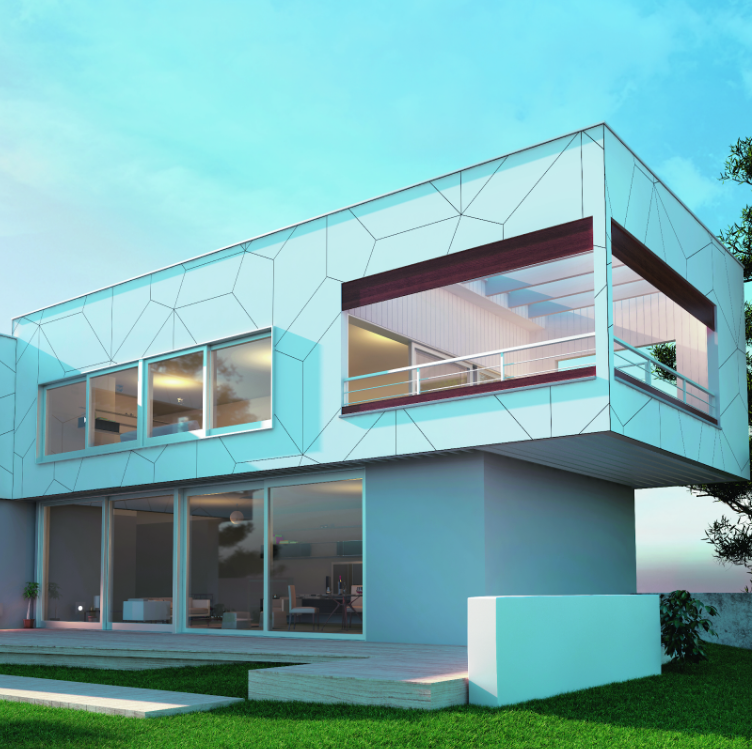


Exterior walls are subjected to environmental stress that interior surfaces never encounter. Prolonged UV exposure can degrade surface finishes, seasonal rainfall and humidity encourage moisture ingress, airborne pollutants stain and corrode surfaces, and temperature fluctuations lead to expansion, contraction, and material fatigue. Over time, conventional exterior finishes such as paints and plastered wall coatings struggle to cope with these conditions, often requiring frequent maintenance and eventual replacement. This is where HPL exterior wall cladding stands out as an ideal surfacing solution, offering a protective layer designed to withstand continuous exposure while supporting long-term surface performance. This blog explores how HPL wall cladding for exterior walls addresses these challenges, making it an ideal surfacing solution. Let’s start with some basics.
What is Exterior Wall Cladding?
Exterior wall cladding is a protective finish applied to a building’s outer walls to form a defined external surface. Installed over the main wall construction, it functions as an added outer layer that shields the structure from direct exposure to environmental elements while giving the facade a finished and intentional appearance. Rather than altering the structural system, cladding works as an external skin that helps preserve the condition of the underlying walls and supports visual consistency across the exterior. By combining protection with surface definition, exterior wall cladding establishes both the functional and visual framework for outdoor walls, creating a foundation for durable and well-considered exterior design.
Understanding Exterior Cladding Materials
Material choice is critical when designing surfaces for outdoor exposure. Unlike interior finishes, exterior cladding materials must be engineered to perform consistently under sunlight, rain, humidity, and temperature variation. This has led to a shift away from purely decorative surface treatments towards high-performance, factory-controlled materials that offer predictable performance and long-term stability in exterior conditions.
High-pressure laminate has emerged as one such engineered solution for modern facades. HPL cladding for exterior is manufactured under high pressure and temperature, creating dense, non-porous panels that resist UV exposure, moisture ingress, heat, and impact. Alongside durability, HPL offers a wide range of textures and finishes, allowing wall cladding systems to deliver contemporary visual character while maintaining surface consistency over time.
Read Also: A Comprehensive Guide to Understanding Exterior Cladding
Key Advantages of Exterior Wall Cladding for Outdoor Environments
High-pressure laminate for exterior wall cladding delivers engineered performance that helps outdoor walls retain both functional resilience and visual consistency over time. Below are the core advantages of specifying HPL cladding for exterior environments:
- Weather Resistance: HPL exterior cladding is engineered to withstand prolonged exposure to sun, rain, and temperature extremes without degrading, cracking, or surface wear.
- Moisture Control: The dense, non-porous structure resists moisture absorption, protecting wall surfaces from swelling, warping, and damp-related deterioration.
- UV Stability: Special treatments enhance resistance to ultraviolet radiation, helping retain colour and finish quality over long periods without significant fading.
- Surface Durability: Resistance to stains, scratches, impact and abrasion contributes to a robust exterior finish that holds up in high-traffic or exposed settings.
- Thermal Performance: Designed to tolerate extreme temperatures (from very hot to very cold conditions), HPL clads maintain structural and surface integrity across climates.
- Low Maintenance: The combination of weather, moisture and abrasion resistance means HPL cladding requires minimal upkeep, reducing routine intervention and associated costs.
- Fire Retardancy & Safety: Integrated fire-resistant properties add an additional layer of protection to exterior surfaces, supporting safer design outcomes.
Design Flexibility and Visual Impact of Outdoor Wall Cladding
Beyond performance, outdoor wall cladding plays a key role in shaping how a building is perceived. Through surface finish, colour depth, and panel orientation, cladding allows facades to move beyond flat elevations and express a more considered architectural identity. From wood cladding–inspired finishes to contemporary textures and solid tones that create a sharper, more modern expression, today’s exterior cladding options allow architects to define visual character while maintaining consistency across diverse project types.
Common exterior cladding finish and design directions include:
- Wood-Inspired Finishes: Natural wood aesthetics continue to influence exterior design, lending warmth and familiarity to modern buildings. Exterior wooden cladding-inspired surfaces are often used to soften facades while maintaining a contemporary, low-maintenance exterior.
- Stone and Textured Surfaces: Mineral and stone-inspired finishes add visual weight and permanence, making them well-suited for feature elevations, boundary walls, and statement architectural zones.
- Solid and Neutral Colour Palettes: Clean, uniform shades support minimalist and modern architecture, allowing form, proportion, and facade composition to take precedence over surface detailing.
- Abstract and Contemporary Patterns: Subtle patterns and textured finishes introduce movement and character, helping large exterior surfaces avoid visual flatness without appearing decorative.
- Panel Orientation and Composition: Vertical, horizontal, or modular panel layouts influence how facades are perceived, enhancing height, width, or rhythm depending on the architectural intent.
Applications of Exterior Wall Cladding in Modern Architecture
Exterior wall cladding is used across a wide range of building typologies, adapting easily to different scales, functions, and architectural contexts. Its versatility allows it to support both prominent facades and more restrained exterior treatments without compromising design intent.
Common applications of outdoor wall cladding include:
- Commercial and Office Buildings: Used on facades and elevations to create a clear, cohesive exterior identity.
- Institutional and Public Buildings: Applied to achieve durable, well-defined exteriors suited to high-use environments.
- Hospitality and Retail Spaces: Used on feature walls and entrance zones to shape recognisable, inviting exteriors.
- Residential Developments: Applied selectively to facades and elevation highlights to add depth and character.
- Mixed-Use and Urban Projects: Supports visual continuity while allowing differentiation across building zones.
Read Also: 9 Applications of Exterior Wall Cladding Systems
Long-Term Value and Cost Efficiency of Exterior Wall Cladding
Beyond immediate visual impact, exterior wall cladding offers measurable value over the full lifespan of a building. By reducing ongoing upkeep and preserving exterior surfaces over time, it supports more predictable and efficient long-term planning.
Key contributors to the long-term value of exterior cladding include:
- Reduced Maintenance Requirements: Durable exterior surfaces minimise the need for frequent repainting or surface repairs.
- Lower Repair and Replacement Cycles: Long-lasting performance helps reduce costs associated with weather-related deterioration.
- Consistent Exterior Appearance: Outdoor wall cladding maintains visual uniformity over time, limiting the need for aesthetic refurbishment.
- Efficient Installation Processes: Well-engineered cladding systems allow for streamlined installation, supporting cost control at the project stage.
- Strong Lifecycle Return: When evaluated over time, exterior cladding delivers reliable value through durability, stability, and reduced intervention.
Exterior Wall Cladding Solutions by Greenlam Clads
Greenlam Clads brings engineered precision to architecture through its range of HPL exterior wall cladding systems, developed specifically for demanding outdoor environments. Designed to balance durability with design clarity, these systems allow walls to achieve lasting visual definition while meeting long-term performance expectations. With finishes ranging from wood-inspired textures to contemporary solids and refined surface expressions, Greenlam Clads supports diverse architectural requirements without compromising material reliability. To explore how HPL cladding can transform your project, use the online visualiser tool to view finishes in context, or connect with the technical team by filling out the contact form on the website. For immediate assistance, reach out via the toll-free number 1800 833 0004 (India) or email info@greenlam.com for product specifications, application guidance, and project support.
Frequently Asked Questions
Exterior laminates vs exterior paint: which is better?
Exterior laminates offer greater durability, colour stability, and lower maintenance compared to exterior paint. While paint requires frequent recoating, exterior cladding provides a longer-lasting surface that resists weathering and visual degradation over time.
How long do exterior laminates last on outdoor walls?
When properly specified and installed, exterior laminates can last for several decades. Their resistance to UV exposure, moisture, and temperature variation helps maintain both surface integrity and appearance across long-term outdoor use. At Greenlam Clads, we offer a 12-year warranty on our exterior-grade HPL cladding, providing added confidence in its long-term durability and performance.
Do exterior wall panels require high maintenance?
No, exterior wall panels are designed for low maintenance. Routine cleaning is generally sufficient, as the surface resists staining, fading, and weather-related wear, reducing the need for frequent repairs or refinishing.
Where can I buy durable exterior laminates near me?
Durable exterior laminates can be sourced from Greenlam Clads through authorised distributors and showrooms. For product guidance or availability, you can connect with the team via the website, call 1800 833 0004, or email info@greenlam.com.